Last year around this time, a few friends and I went to Japan, where we came across many interesting and practical things. In this post I’ll briefly share them. They’re worth a look, and they’re worth reflecting on: why doesn’t Taiwan have them?
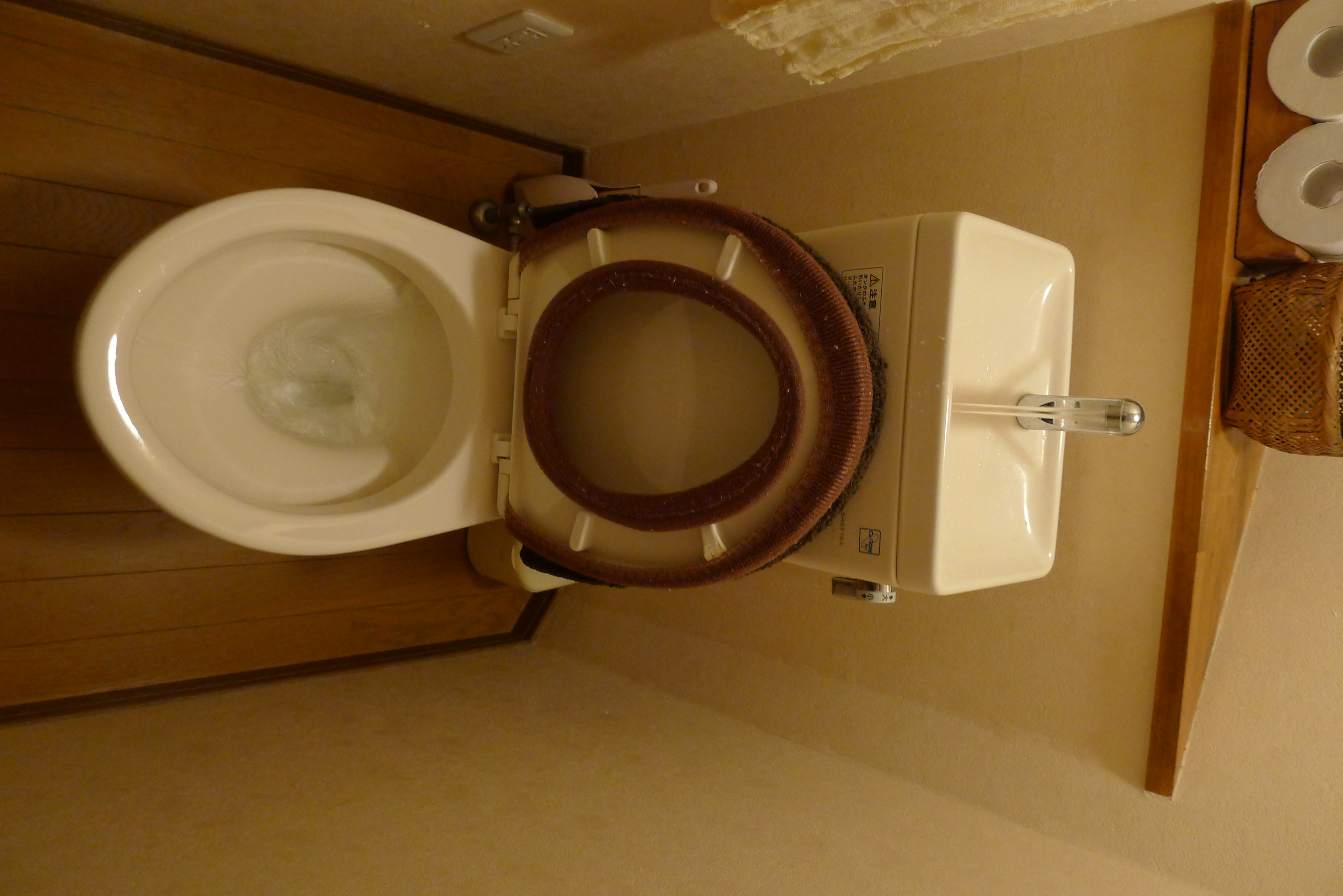
This is the toilet in the accommodation where we stayed in Nara. It’s a simple toilet, yet it caught my eye right away. The sink is placed above the toilet tank. For one, this saves space in the bathroom. For another, the water you use to wash your hands gets reused, so nothing is wasted.
This is a common faucet in Japan. When I first saw it, I didn’t know how to use it, but after studying it I figured it out: it has two parts that turn, left and right. The left side controls the water temperature, and the right side controls the water volume. (Click the image to enlarge)
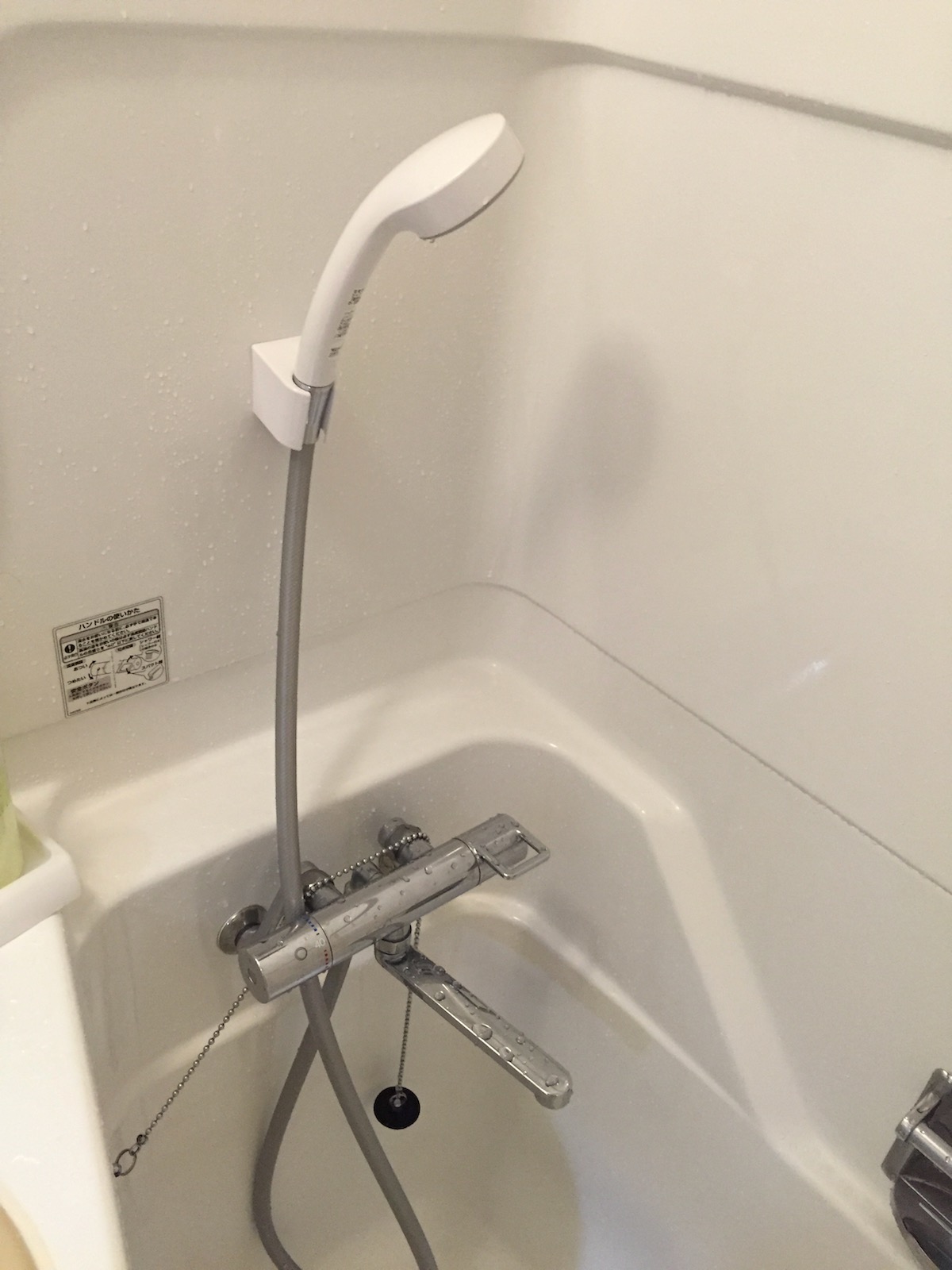
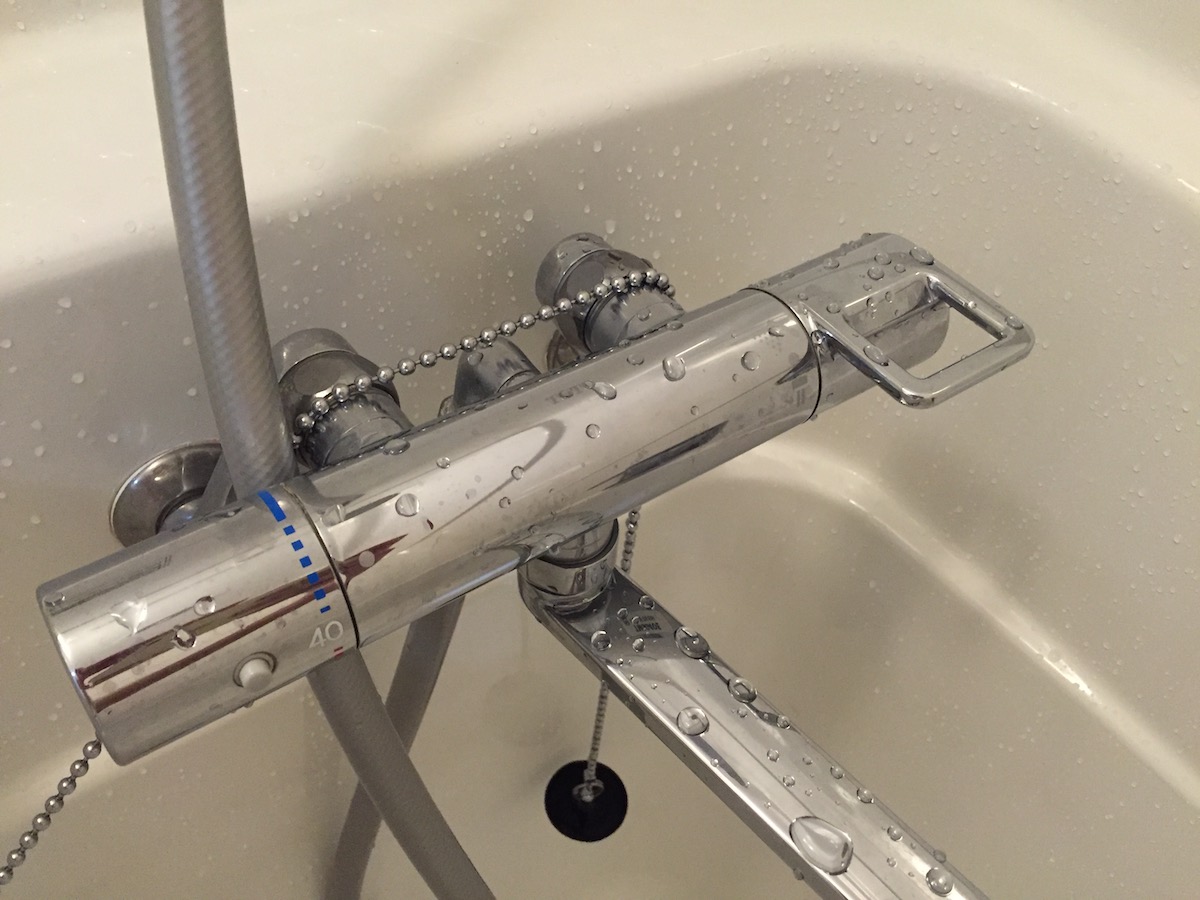
Have you ever scalded yourself with hot water while showering, or been startled by suddenly cold water? In Taiwan, the common faucet controls both water volume and temperature with one handle, so it’s easy to turn it the wrong way and suddenly get cold water when you meant to turn on the shower. When you think about it, most of the time we only need to turn the water on and off. While showering, we usually don’t keep adjusting the temperature. Once it’s set, it stays that way, right! I really like this design.
There are also some small things I found very convenient. It wasn’t easy to take photos of them on site, so I’ll describe them in words:
When I was climbing Mount Fuji, I changed clothes in a restroom. I noticed that between the urinals and next to the sink, there was a rod you could hang things on. I found that very considerate. Every time I use the restroom, I hesitate about where to put my bag. Putting it on the floor risks someone’s urine splashing on it, and putting it on the ledge above the urinal risks dust. The best way is really just to hang it up!
At a supermarket in the town near Mount Fuji. I’d say the area is quite remote; the town has only one supermarket. Checkout here works like this: after the clerk scans your items, you pour your coins directly into a machine. The machine counts them, calculates the total, and gives you change. It even exchanges your coins for bills! This greatly reduces the chance of errors when giving change, reduces the hygiene concerns of money passing from hand to hand, and saves the time spent counting change. This kind of “automatic change machine” isn’t only found in supermarkets. I also saw the same equipment on buses in Kyoto. In Taipei, if you pay cash on a bus, you need to have exact change. And if your EasyCard happens to be out of value and you have no coins on you…… In Kyoto, you can even top up your card directly on the bus!
Is the technology hard? Not at all. Just look at vending machines. Is this a special case? Even in a small town with only one supermarket, this equipment is installed, so I don’t think it’s that special. The only problem might be that in Taiwan, when a clerk gives the wrong change, the clerk pays for it, so the store manager has no motivation to install this kind of equipment.
In the same town near Mount Fuji, I also saw a Toyota charger, the kind used for electric cars. Seeing it really moved me. I privately guessed that if even such a remote town has EV chargers, does that mean electric cars are already quite widespread in Japan? I’m not sure about this, and I welcome corrections!